
Sexual Energy and Urban Lifestyles: How Desire, Physical Activity, and Intimacy Shape Personal Choices in Dallas
Sexual Energy and Urban Lifestyles: How Desire, Physical Activity, and Intimacy Shape Personal Choices in Dallas
On a weekday evening in Dallas, routines follow a predictable rhythm: a gym session after work, a quick meal ordered through an app, and time spent scrolling through local platforms that filter options by distance and availability; in this pattern, some users move from fitness tracking apps to browsing local services, and searches that include terms such as eros nashville appear not as isolated curiosity but as part of a sequence tied to timing, mood, and immediate access, shaped by a city environment where everything is organized around proximity and speed.

Physical Activity as a Driver of Desire
Dallas ranks among the top U.S. cities for gym memberships per capita, with over 23% of residents enrolled in fitness centers. This matters because physical activity directly affects hormonal balance, including testosterone and endorphin levels, which influence mood and attraction.
Regular training schedules often lead to consistent behavioral patterns:
- Evening workouts between 6 p.m. and 9 p.m. increase post-activity energy levels
- Social interaction in gyms introduces repeated exposure to the same people
- Fitness tracking apps reinforce routine and self-focus
These factors create a predictable link between physical exertion and heightened awareness of attraction. Energy does not disappear after training; it shifts into other areas of behavior, including how people seek connection.
Urban Density Changes Decision Speed
Dallas combines large geographic spread with concentrated activity zones such as Uptown, Deep Ellum, and Downtown. Within these areas, services are designed for immediate access, often within a few miles.
Data from urban mobility reports shows:
- Average travel time within central districts stays under 18 minutes
- More than 70% of app-based interactions occur within a 5-mile radius
- Peak usage of local service platforms aligns with late evening hours
Short distances reduce hesitation. When options are nearby and visible in real time, decisions tend to happen faster. This applies to dining, entertainment, and personal interactions alike. The structure of the city itself encourages quick transitions from intention to action.
Digital Platforms Shape Private Choices
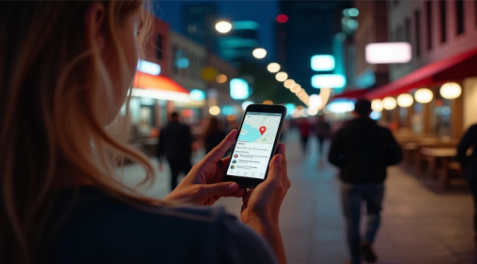
Location-based platforms do more than display options. They organize behavior through filters, ratings, and availability indicators. Users rely on these systems to narrow choices within seconds.
Several patterns appear consistently:
- Filtering by distance becomes the first step in most searches
- Profiles with recent activity receive more attention
- Response time influences perceived reliability
A 2025 Pew Research update noted that over 60% of adults in large U.S. cities use at least one platform that connects them to nearby services. The interface design simplifies decisions, often reducing them to a few taps. This changes how people approach intimacy, turning it into a structured process rather than a spontaneous event.
Time Constraints and Controlled Interactions
Work schedules in Dallas tend to extend beyond standard hours, especially in sectors such as finance, healthcare, and logistics. Long days leave limited space for unplanned social activity.
This leads to more controlled forms of interaction:
- Meetings are scheduled rather than improvised
- Communication happens through apps before any in-person contact
- Time slots are defined in advance
A survey conducted by the Texas Workforce Commission indicated that nearly 48% of professionals in urban Texas report working more than 45 hours per week. Limited time pushes people toward efficient decision-making, including how they approach personal relationships.
Consistency Over Spontaneity
Repeated exposure to the same environments shapes preferences. Gym routines, familiar neighborhoods, and preferred platforms create a loop where behavior becomes predictable.
Key tendencies include:
- Returning to the same locations for social and personal interactions
- Choosing familiar platforms instead of exploring new ones
- Prioritizing reliability over novelty
This consistency reduces uncertainty. People tend to repeat actions that fit their schedule and expectations. Over time, this builds a stable pattern that defines how desire and connection are expressed in a city setting.
A Clear Outcome
Urban life in Dallas does not leave much room for randomness. Physical activity, proximity, and digital tools combine to structure how people act on desire. Each element reinforces the others, creating a system where decisions follow a clear path.
Personal choices reflect this structure. Energy generated through daily routines moves into predictable channels, shaped by time, location, and access. The result is not abstract or theoretical; it is visible in how people plan, search, and interact within the city every day.
Other great posts in 'Babe' topic
- 22 Mar 2026 - Understanding the Mechanics & More: How Tech Behind AI-Generated Porn In General Works?
- 24 Nov 2025 - Unleash Your Desires with Black Pussy Pictures
- 21 Sep 2025 - How to Maximize Pleasure When on Live Sex Cam?
- 13 Dec 2024 - Are Cam Models the New Game Changer of Porn?
- 28 Nov 2024 - The Rising Popularity of White Adult Models in Cam Shows